Table Of Content

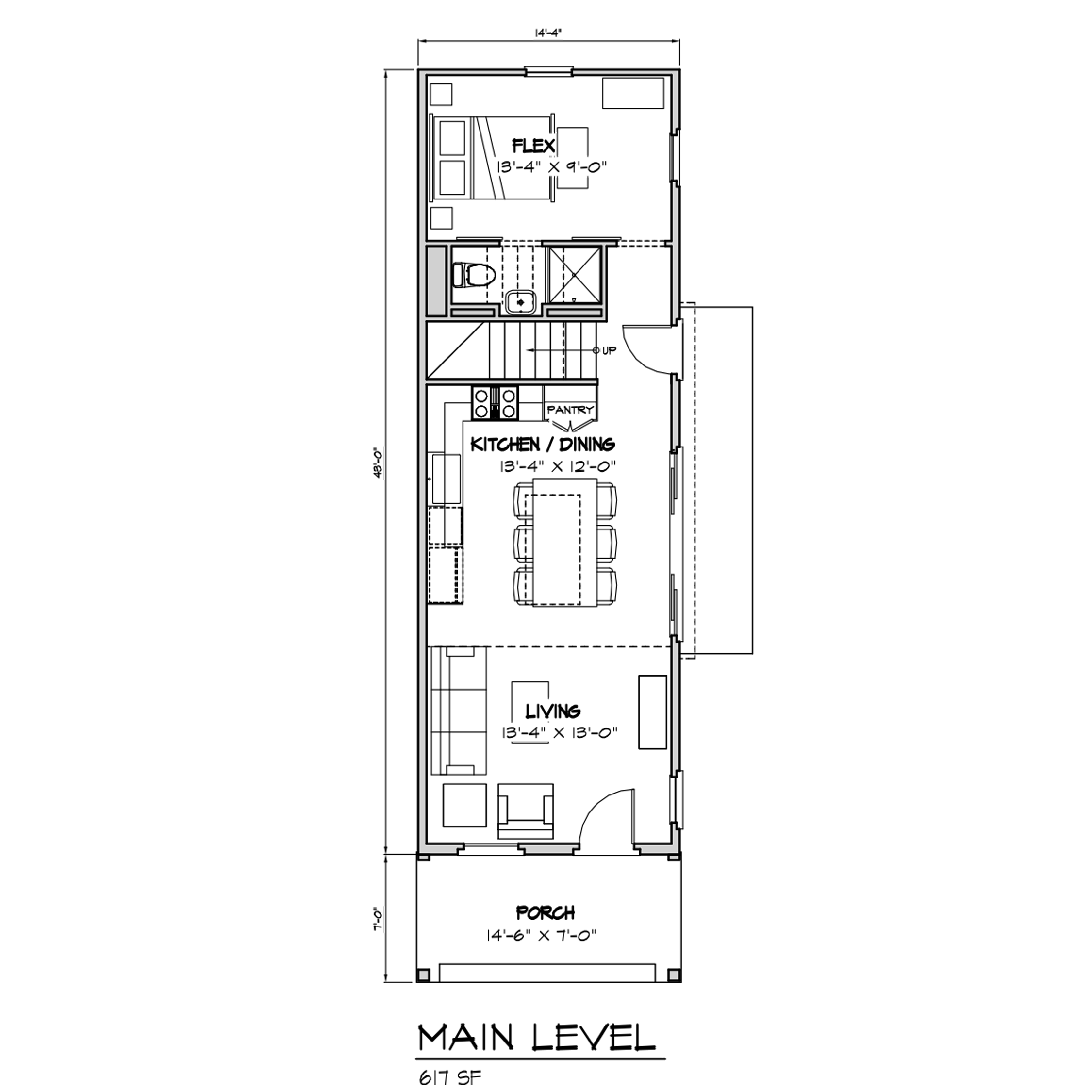
As you walk inside a shotgun-style house, you need to walk through each and every room in order to reach the end of the house. Although their designs had simplicity and practicality embedded within them, these weren’t recognized till the 19th century. However, later on, these homes gained popularity and defined a colorful streetscape in New Orleans. Melissa enjoys using her experience as a house flipper, investment buyer, and waterfront home owner to help buyers and sellers thrive in the housing market. With the right location and proper research, these charming houses could be a great place to call home.
10 Must-Follow Instagram Accounts for Architecture Lovers
The exterior look of a shotgun-style house is generally composed of sides covered with wood and the use of bricks or stone on the facade. The facade of these shotgun-style homes has a gabled roof on the top and a tiny porch in its front as well. These homes were mainly built by keeping the principles of affordability and efficiency in mind. The style took birth in Haiti where West Africans slaved and the architecture of the homeland was defined by these shotgun-style homes. Later on, the concept was brought to New Orleans as a unique building style for the locality. The traditional building material for a shotgun house is wood, from the framing to the siding.
Why Is It Called "Shotgun"?
Period-authentic heart pine floors, rounded archways, and original fireplaces make this shotgun house a timeless treasure. The shotgun house design thrived in New Orleans following two disastrous fires in the late eighteenth century. Building codes required wooden houses to be narrow so that there was room between the houses built on small lots. According to O'Connor, double-barrel shotgun houses are two identical shotgun houses that share a center wall but still make up a single building.
More in Architecture
Which is great, because at the moment we're basically using all our families already. Remember to keep your Burgage Plots fairly close to your Well and Marketplace as they're important for your Approval Rating; and it's also a good idea to keep them close-ish to the Storehouse, Granary, and Logging Camp. Your overall goal is to expand your town and take over the map, but your smaller goals should really be dictated by your settlement levels. Hover over your settlement name at the top of the screen and you'll see the requirements needed to upgrade to the next settlement level.
Built in the 1890s, the spacious shotgun is home to two bedrooms, two full baths, and an open floor plan that fits a kitchen, living and dining area. Don’t let the petite proportions of the exterior fool you; this demure blue shotgun house in Louisville has surprising depths. The energy-efficient abode boasts 2,712 square feet in total, including a recently added 1600-square-foot second floor.
The main consideration will be maintaining cross-ventilation and ease of movement. Despite the finite spacing, you can make some design and layout adjustments within the space that maximize comfort for everyone. Here are a few design secrets to create a modern, functional oasis within a timeless design. The exterior features a single window and door, and each room has a single-window installed on its side. Decorative wooden shutters flank the windows, and often the front door as well. Some shotgun homes are located close to tourist hotspots, making them a great option for short-term rentals.
Maintain a Consistent Air of Openness
Design History of New Orleans' Iconic Shotgun House - Bloomberg
Design History of New Orleans' Iconic Shotgun House.
Posted: Thu, 10 Jun 2021 07:00:00 GMT [source]
Hobbs said more than 100 people, mostly single parents, are on the waitlist for Canal Village, and that critics don’t understand how the project is benefiting the community in the long run. Several near northwest side organizations wrote to the Northwest Landing Neighborhood Association to share their concerns. This variation has a side entrance, often with a porch stretching along the side of the house. This offered a unique entryway and potentially more facade space for ornamentation. A loft on the upper floor looks down to the lower level rooms and makes it one of the most comforting nooks of the house. While the homes designed in the 1800s didn’t have bathrooms in the layout, the current designs have added them for enhanced functionality.
What Is a Shotgun House Interior?
With this design, shotgun houses found inventive ways of fitting all of the necessities without much square footage. At the time they were built, there was no indoor plumbing, so bathrooms didn't exist. For double the fun and functionality of the classic shotgun home, look no further than this brightly colored two-story duplex in New Orleans’ historic Marigny neighborhood. Whether you enter from the left or right side of the 3,200-square-foot sea-green abode, you’ll be greeted by a warm hardwood floor and open floor plan, as well as a kitchen stocked with all the modern amenities. Essentially two shotgun layouts mirror each other, sharing a common central wall. Though, conservationists who valued the historical and architectural significance of shotguns started to establish restoration plans in major cities across the country.
Popular and Southern culture
By 1910, pattern books featured the California bungalow, or Craftsman-style house, which included designs almost indistinguishable from shotguns. New construction of shotgun houses waned in the 1920s, but many of the original structures still remain -- and are still inhabited. Others have been adopted and restored by preservation societies to serve as reminders of the role they served, not just in the African-American community, but in the U.S. as a whole.
Today, preservationists, as well as potential homeowners, are buying and restoring existing shotgun homes. Perhaps the most popular example of an innovative restoration is a Waco, Texas, which was featured on HGTV's Fixer Upper. The “bare essentials” house style – with its small footprint and challenging layout – originated in New Orleans in the 1800s. Pure and simple is the motto of this shotgun house with a pristine white facade, adorned with a splash of yellow paint. That same simplicity can be found throughout the 1,957-square-foot dwelling, from the blemish-free white walls, to the exposed brick fireplaces with cypress mantels. The result is an interior that can play host to almost any design aesthetic.
It's common to hear that the name came about because if all the doors of the house were open, you could fire a gun through the front door, and the bullet could exit out the back door without hitting anything. In another theory, togun, a Yoruba word meaning "house or gathering place," is where it gets its name. They are deeply ingrained in the fabric of New Orleans, as Haitian and West African refugees, immigrants, and enslaved people brought them to the area at the dawn of the 19th century.
This taupe shotgun home in New Orleans is replete with charming vestiges of the Victorian era, from the transom above the front door to the ornamental violet awning. Pine floors, ultra-wide double doors, and classic furnishings create an inviting ambiance that’s pairs perfectly with the old-house architecture. While urban renewal projects have resulted in the demolition of many shotgun houses, areas experiencing gentrification have seen efforts towards historic preservation and renovation of these homes. These types of shotgun-style homes are also known as camelback houses as these have a second floor nestled at the rear end of the house. This design choice is most easily accomplished in new constructions; in a remodel, building and plumbing costs could prove challenging. However, moving the two busiest rooms to the center allows access from both the front and back of the house.




No comments:
Post a Comment